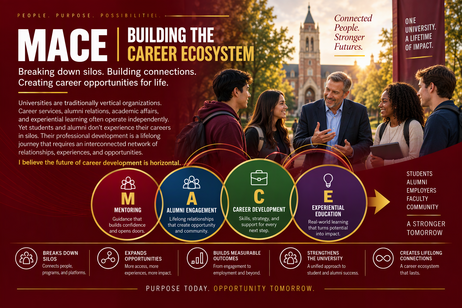
Universities are traditionally vertical organizations. Career services, alumni relations, academic affairs, and experiential learning often operate independently, each with its own priorities, resources, and measures of success. Yet students and alumni don't experience their careers in silos. Their professional development is a lifelong journey that requires an interconnected network of relationships, experiences, and opportunities.
I believe the future of career development is horizontal.
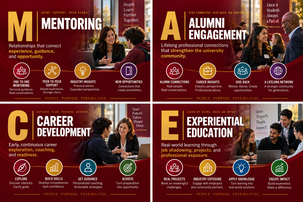
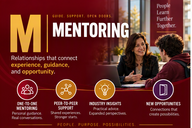
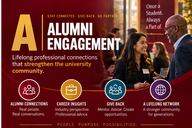
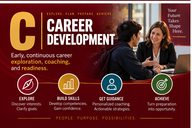
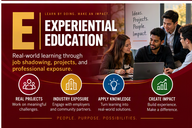
My approach centers on MACE: Mentoring, Alumni Engagement, Career Development, and Experiential Education, four interconnected pillars that transform fragmented programs into a coordinated, university-wide career ecosystem.
Rather than creating another isolated initiative, I work to connect existing programs, people, technology, and institutional resources. This means embedding career exploration early in the student experience, engaging alumni as lifelong partners, integrating meaningful experiential opportunities, and empowering faculty and staff to become active contributors to career readiness.
I've worked to bring this philosophy to life through mentoring initiatives, first-year engagement, career coaching, alumni connections, experiential programming, and the strategic development of PeopleGrove.
My goal is not to dismantle the vertical organization, but to build the horizontal connections that make it work better.
When universities align their resources around a shared commitment to lifelong career development, they create something more powerful than a career center: a career ecosystem that supports students before graduation, engages alumni long afterward, and strengthens the entire university community.